
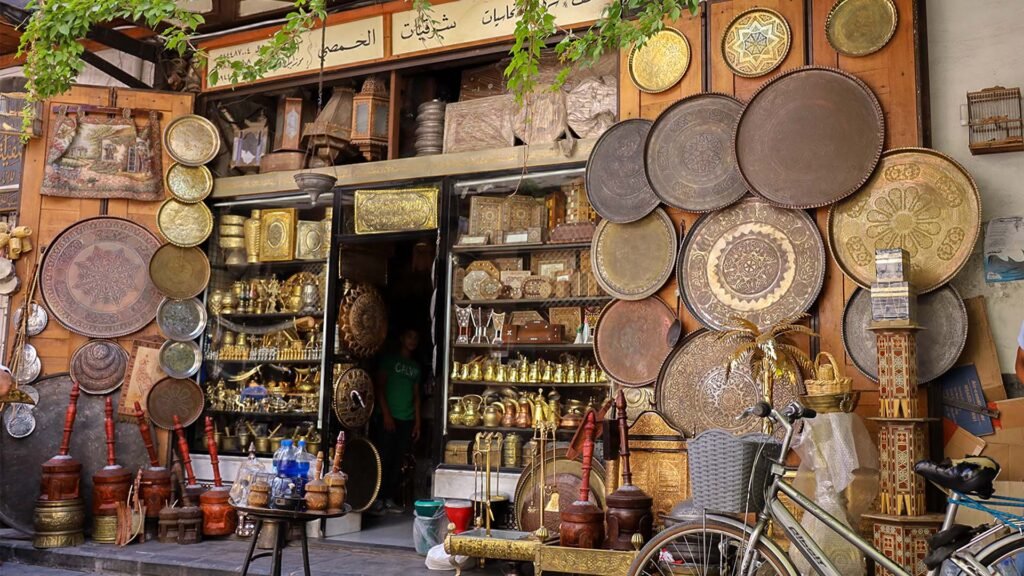
Curious what life in Syria really looks like in 2026? From the rhythm of Damascus mornings to grocery prices, neighborhoods, schools, internet, and weekend escapes — here’s an honest, on-the-ground guide for diaspora Syrians, expats, and Arab travelers thinking about a longer stay.
Why Living in Syria Is Drawing Renewed Interest
For Syrian expats abroad, life in the Gulf or in Europe brings comfort but also distance — distance from family, from a familiar language, from the smell of jasmine in early summer evenings. In 2026, more diaspora Syrians than ever are exploring what it means to come back, even partially: a few months a year, a remote-work base, or a permanent return.
At the same time, Arab and international visitors are discovering a Syria that is far more livable, affordable, and culturally rich than headlines suggest. This guide breaks down the real picture.
The Cost of Living in Syria in 2026
Syria remains one of the most affordable countries in the region for daily living, especially compared to Beirut, Amman, Istanbul, or any Gulf capital.
- Rent (Damascus, Mezzeh, Abu Rummaneh): furnished one-bedroom apartments are dramatically cheaper than equivalent units in Dubai or Beirut.
- Groceries: fresh fruits, vegetables, dairy, and bread are inexpensive, locally produced, and seasonal.
- Restaurants: a full meal at a mid-range Damascene restaurant can be a fraction of what you would pay in any Gulf or European city.
- Transport: taxis and ride-hailing apps are widely available and very affordable.
- Utilities: electricity, water, and internet packages are budget-friendly, with most neighborhoods now equipped with solar backups.
Best Neighborhoods to Live In
Damascus
Damascus is the most popular base. Mezzeh offers modern apartments and embassies; Abu Rummaneh is upscale and central; Malki is quiet and elegant; Old Damascus is for those who fall in love with stone houses, courtyards, and history. Sahnaya and Yaafour are favorite suburbs for families seeking gardens and quiet.
Latakia & Tartus
Coastal cities with a more relaxed, Mediterranean vibe. Ideal for those who want sea views, fresh fish, and a slower pace.
Aleppo
A city with deep heritage, exceptional cuisine, and ongoing revival. Perfect for those drawn to authenticity and culture.
Daily Life: What to Expect
Life in Syria runs on a beautiful rhythm: early mornings with strong coffee, midday breaks, late afternoons in cafés, and long evenings with family. Markets stay open into the night, especially during summer. Friday afternoons often involve grand family lunches, while weekends fill restaurants, parks, and mountain resorts.
Hospitality is at the core of Syrian culture. Whether you are a returning expat or a first-time visitor, expect to be welcomed warmly, fed generously, and quickly added to the family WhatsApp group.
Internet, Remote Work & Connectivity
Internet quality in major cities has improved significantly. Fiber-optic packages are available in Damascus, Latakia, and parts of Aleppo. Many remote workers, freelancers, and digital nomads have settled in cafés and co-working spaces around Damascus, especially in Mezzeh, Shaalan, and the Old City.
Mobile internet via Syriatel and MTN is reliable for everyday use, and most modern apartments have solar inverters and battery backups to ensure constant power for laptops and Wi-Fi routers.
Healthcare & Family Services
Private clinics and hospitals in Damascus and Aleppo offer excellent care at low cost. Many residents combine routine treatments — dental, optical, dermatological — with their stay, taking advantage of Syria’s globally competitive medical pricing. Pharmacies are well-stocked and often open late.
Schools & Education
Damascus offers private bilingual schools, French schools, and international curricula in selected institutions. Universities including Damascus University and several private universities welcome diaspora students at affordable tuition rates, particularly for medicine, dentistry, engineering, and business.
Food, Culture & Nightlife
From fresh fattoush at lunch to mezzeh under jasmine vines at night, Syrian food is a daily celebration. Old Damascus is full of restored heritage cafés, rooftop restaurants, traditional sweet shops, and live oud music. Latakia’s seaside corniche, Aleppo’s restored khans, and weekend escapes to Bloudan, Slunfeh, or Maaloula round out a rich lifestyle.
What Expats & Diaspora Visitors Should Prepare For
- Bring or arrange a backup payment plan — international cards still work mostly through partner banks abroad.
- Cash (USD) remains widely used for larger payments.
- Have a local SIM card from day one for ride-hailing and delivery apps.
- Solar-powered apartments are a great choice if you depend on stable internet.
- Build relationships with one trusted local contact for paperwork, residency, or rental agreements.
How Octopus Tourism Helps You Settle In
Whether you’re testing life in Damascus for a month or planning a multi-year stay, Octopus Tourism makes the transition seamless. We support apartment search, neighborhood tours, school visits, medical introductions, and cultural orientation — all designed for diaspora Syrians, expats, and Arab travelers who want more than a short vacation.
Final Thoughts
Living in Syria in 2026 is not a fantasy — it is a real, increasingly popular lifestyle choice. The country’s costs are low, its food is unforgettable, its people are warm, and its culture runs deeper than almost anywhere else in the region. For those willing to plan smartly and stay flexible, Syria can offer an extraordinary chapter of life.
Thinking about your own move? Reach out to Octopus Tourism for a personalized living-and-relocation consultation, and discover what daily life in Syria can really feel like.
